By Fareed Tulbah, owner of Caden Roofing · 8,000+ roofs inspected · Last updated October 2026
~90%
Share of roof leaks that happen at flashings and penetrations
Source: Roofing Contractor
#1
Cause of roof leaks: poorly made and installed flashings
Source: GAF
0
Flashings covered by GAF’s limited material warranty
Source: GAF
30″
Chimney width that requires a cricket behind it
Source: IRC R903.2.2
Quick Answer
Most roof leaks start at the flashing, not the shingles. Flashing is the metal and rubber that seals every place the roof stops or something pokes through it: plumbing pipes, walls, chimneys, skylights, valleys and vents. An industry estimate puts nearly 90% of roof leaks at these spots, and GAF calls badly made or installed flashing the #1 cause of roof leaks.
The shingles usually get the blame because that’s what a homeowner can see. But a shingle in the middle of a slope has one job and rarely fails on its own. Flashing has to handle water changing direction, two materials meeting, and parts that expand, shrink and bake in the Texas sun. That’s where an installation shortcut or poor product selection shows up first.
One more thing most homeowners don’t know: GAF’s material warranty does not cover flashings. If your flashing leaks because it was installed wrong, your roofer’s workmanship warranty is the only coverage you have.
The Six Main Places Roof Leaks Start
| Leak spot | Why it fails | What to look for | How Caden Roofing installs it |
|---|---|---|---|
| Plumbing pipe flashings | Plastic warps in the sun; rubber collars crack; nails driven where water runs | Cracked rubber collar, exposed nail heads on the flange, rust streaks below the pipe | Lead flashings by default; Master Flow PIVOT where animals are a problem |
| Roof-to-wall transitions | Siding sits down in the flashing; nails through it; felt laid on top of it; leaves dam the channel | Stains on the ceiling or wall below a second story or dormer | Ice and water barrier under the flashing; step flashing where the house allows |
| Chimneys | No cricket; rusted cricket; broken corner welds; caulk or tar instead of flashing | Tar smeared at the chimney base; rust; leaves piled behind it | Ice and water barrier all the way around; new cricket, step and counter flashing |
| Skylights | Old flashing reused; worn lens | Stains around the skylight well inside | All old flashing removed; ice and water barrier around and up the curb; new flashings |
| Valleys | Old nails and tin caps left in the deck puncture through from below | Stains along an inside corner of the ceiling; a nail head pushing up through a shingle | Closed-cut valley over ice and water barrier plus valley metal |
| Attic and exhaust vents | Not sealed properly or nailed incorrectly; plastic box vents warp; storm collars set too high or moved by another trade | Stains near a vent; a collar sitting loose above its base | Triple seal: ice and water barrier, roofing cement under and over the flange, no exposed nails |
1. Plumbing Vent Pipe Flashings
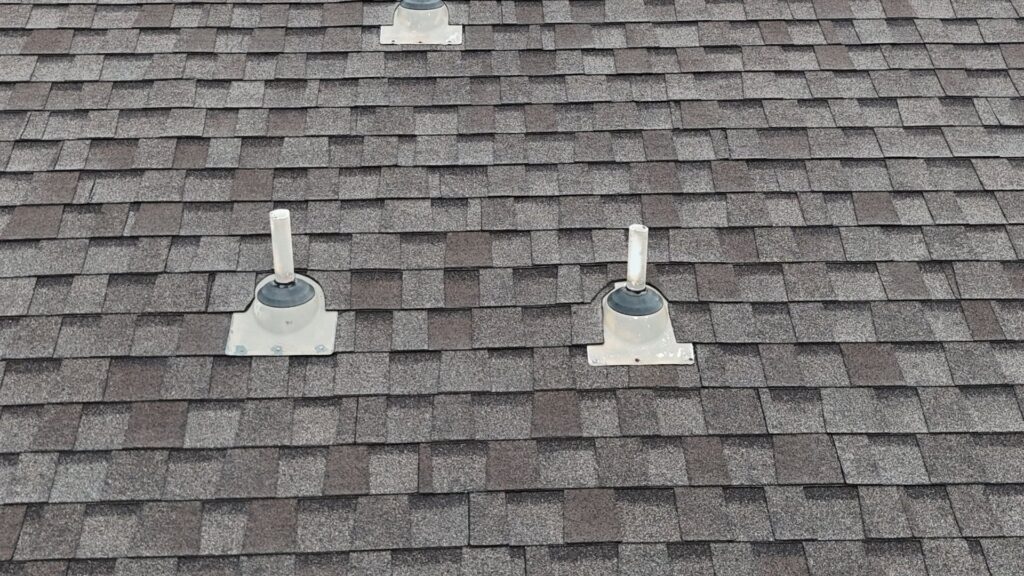
Every bathroom and kitchen drain has a vent pipe that goes out through the roof. The pipe flashing, often called a pipe boot, seals around it, and it’s one of the most common leaks we find.
How each type fails
- Plastic flashings warp in the sun and crack around the rubber collar.
- Galvanized metal flashings last longer, but the rubber collar still cracks.
- Multi-size flashings (one collar made to fit two pipe sizes) crack from UV over time.
- Lead flashings don’t break down in the sun, but squirrels and other animals sometimes chew them.
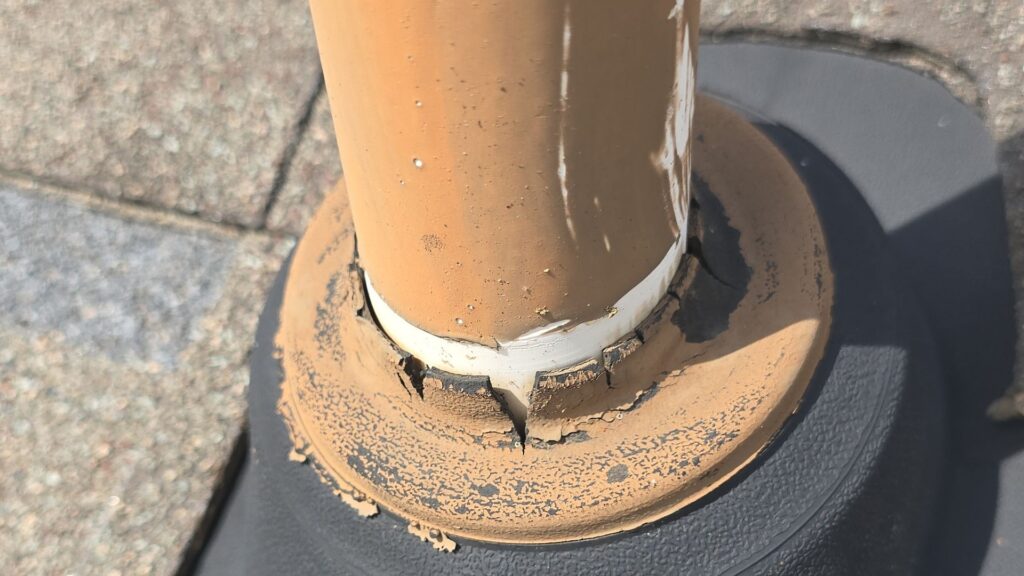
The mistake we see on almost every type: nails driven through the bottom part of the flashing, where they’re out in the open and water runs right over them. Every one of those nail holes is a future leak.
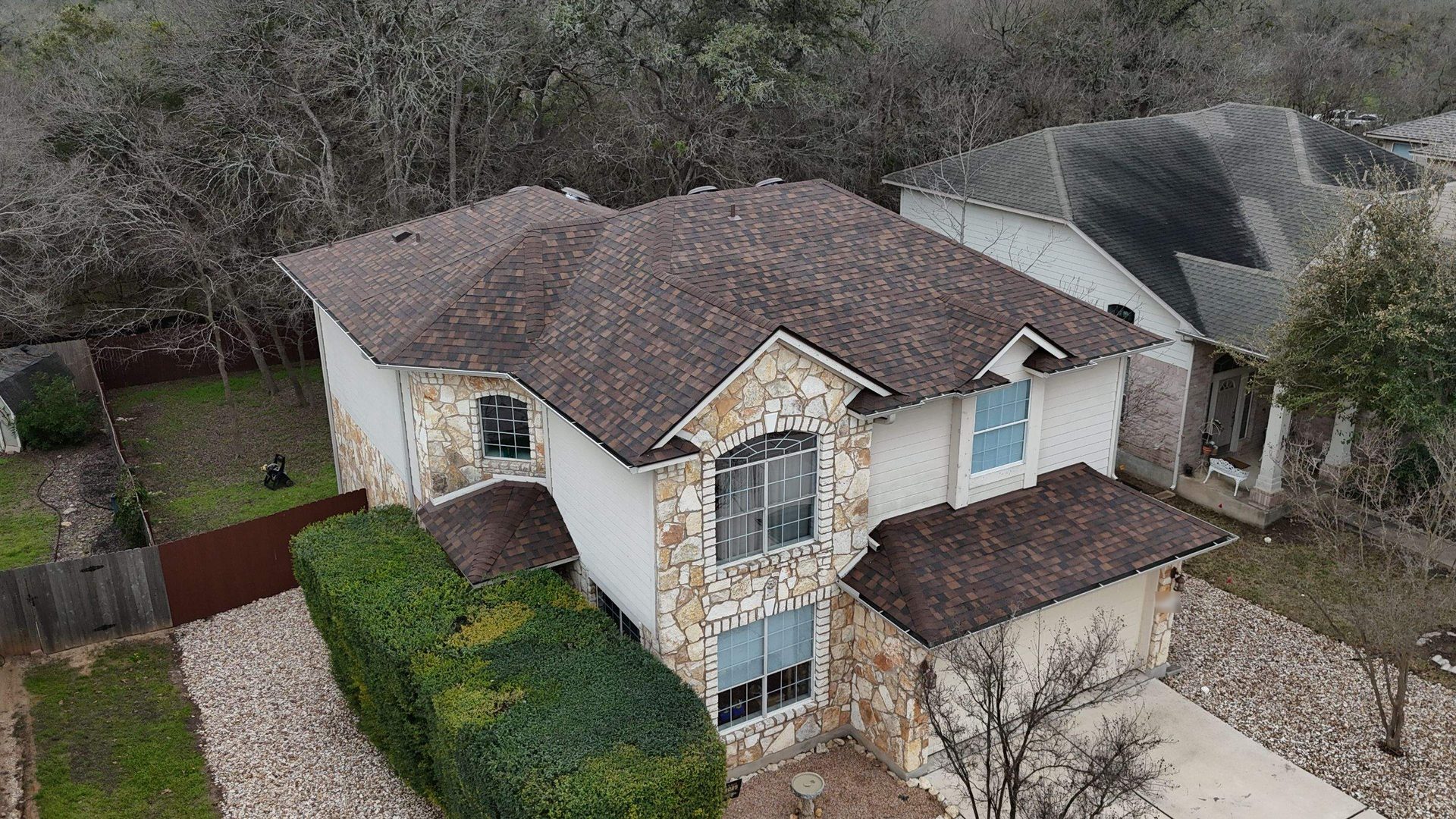
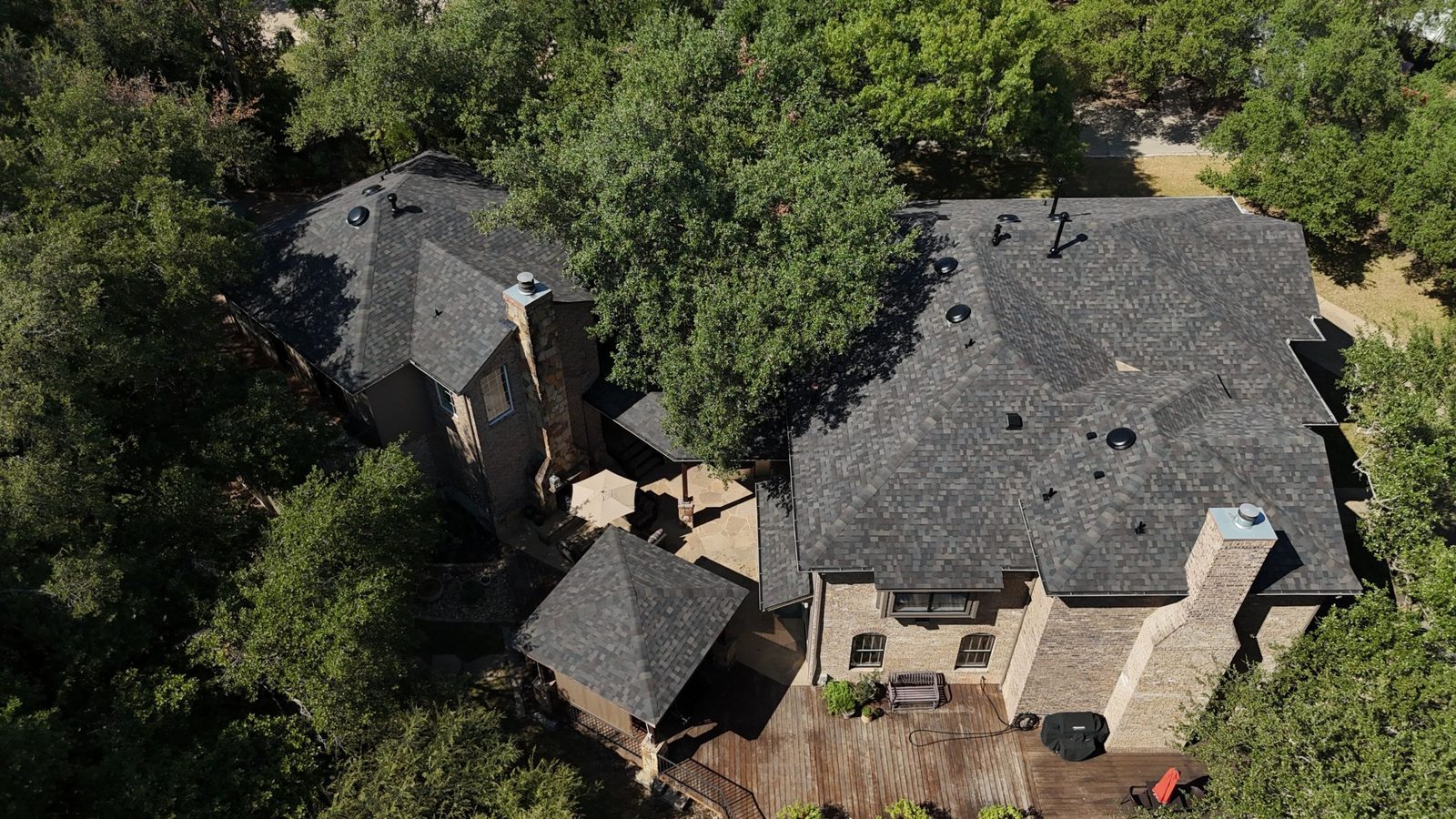
How Caden Roofing installs pipe flashings: lead by default, because lead is 100% UV-stable and doesn’t break down in the sun. Where animals are a problem and the budget allows, we use the Master Flow PIVOT, built to stand up to chewing. See them on our Southland Oaks roof replacement.
2. Roof-to-Wall Transitions
Any place a roof runs into a wall (a second story, a dormer, a chimney chase) needs flashing that turns up the wall and sheds water back onto the shingles. There are two ways to do it:
- Step flashing: separate L-shaped pieces woven in with each row of shingles. No channel to clog.
- Turnback (sidewall) flashing: one long L up the wall with a J-shaped channel on the roof side that carries water down the slope.
The turnback’s weak point is the J-channel. Leaves pack into the hidden gap between the siding and shingles, dam the channel, and push water over the edge and under the roof.
The mistakes we see
- Siding set down inside the turnback, so it holds water and debris
- Nails driven through the turnback
- Felt or underlayment lapped on top of the turnback, so water runs under it instead of over it
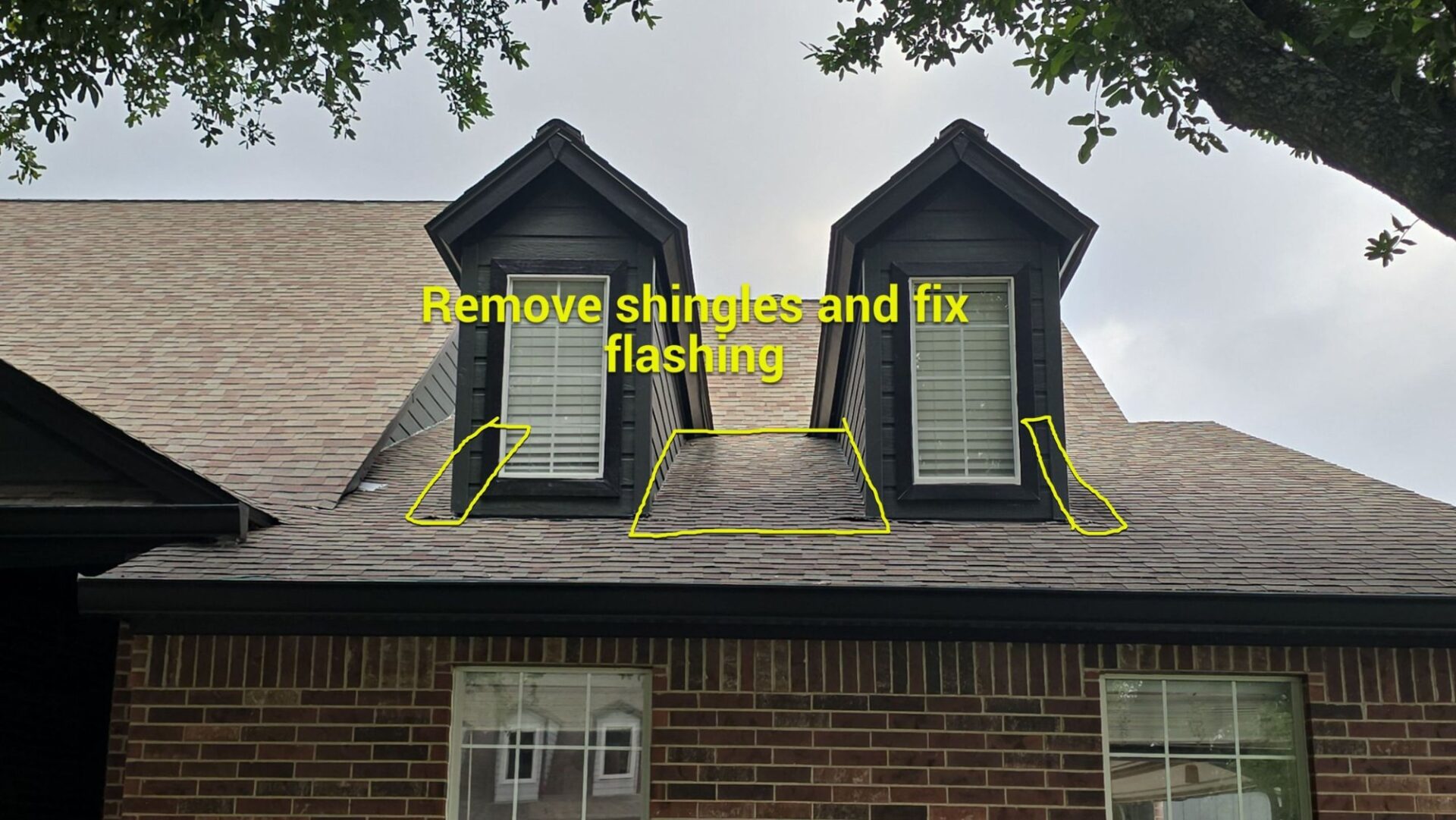
- At chimneys and dormers, shingles laid over the corner flashing. The shingle belongs between the turnback and the corner flashing, not on top of both.
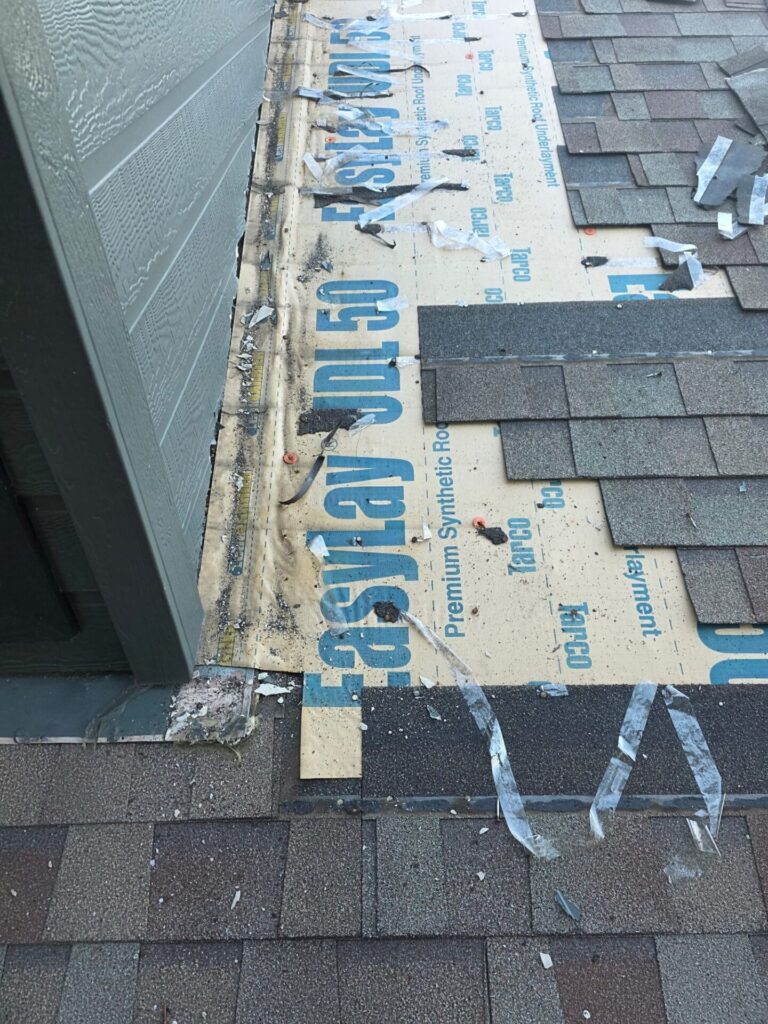
That photo is from a roof repair in Shady Hollow West. The underlayment had been laid on top of the turnback flashing at the dormer. Water ran under it for years and rotted the decking.
How Caden Roofing installs wall flashing: ice and water barrier under the flashing, every time. Step flashing wherever the house allows it. On stucco we use turnback flashing, because step flashing needs a counter flashing to tuck under, and cutting into stucco damages the weep screed, the channel at the bottom of the wall that lets moisture drain out.
3. Chimneys
Chimneys collect more leaks than any other single spot on a roof, because they block water coming down the slope, and all four sides where the chimney meets the roof need their own flashing.
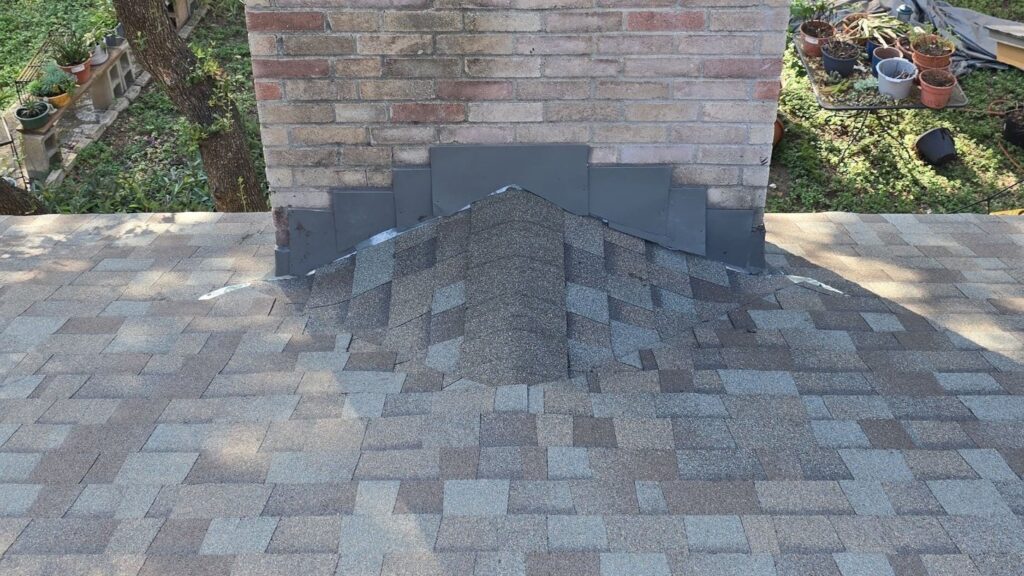
The uphill side needs a cricket (also called a saddle), a small peaked roof that splits the water around the chimney. Under the International Residential Code (R903.2.2), a chimney wider than 30 inches across the slope needs one. Many older Austin homes were built without one.
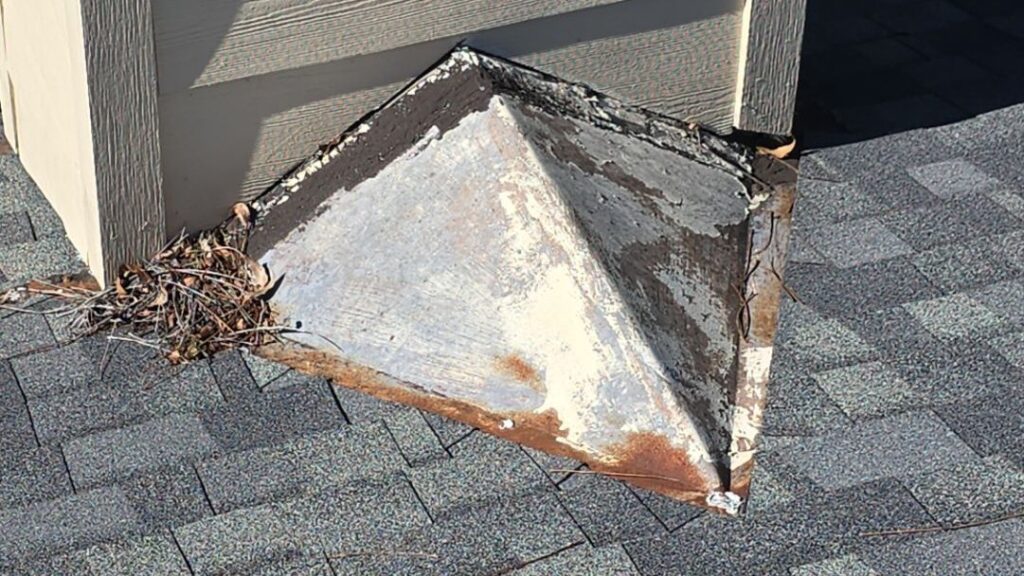
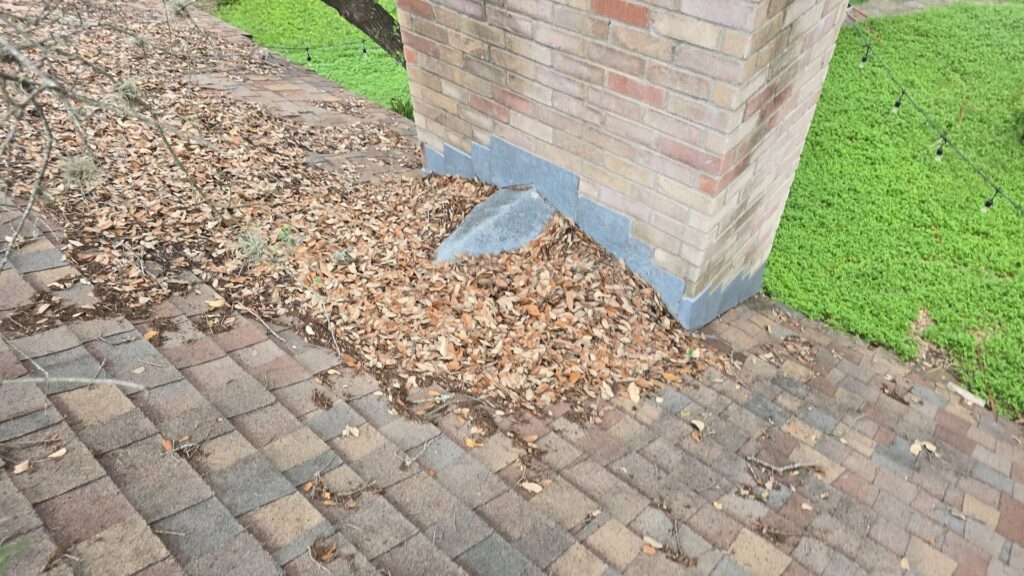
The problems we see
- No cricket at all on older homes
- Rusted crickets
- Broken welds at the corner flashings
- Loose or badly installed counter flashing
- No step flashing along the sides of the chimney
- Caulk or tar used in place of real flashing; it cracks within a few summers
How Caden Roofing installs chimney flashing: ice and water barrier all the way around the chimney · a new cricket if there isn’t one · new step flashing · new counter flashing if the old one is in bad shape.
4. Skylights
Skylights leak at the flashing around the curb (the frame the skylight sits on), and sometimes through the skylight itself.
How Caden Roofing re-flashes a skylight: all old flashing removed · ice and water barrier around the entire curb and 3–4 inches up its sides · new bottom, side and top flashings.
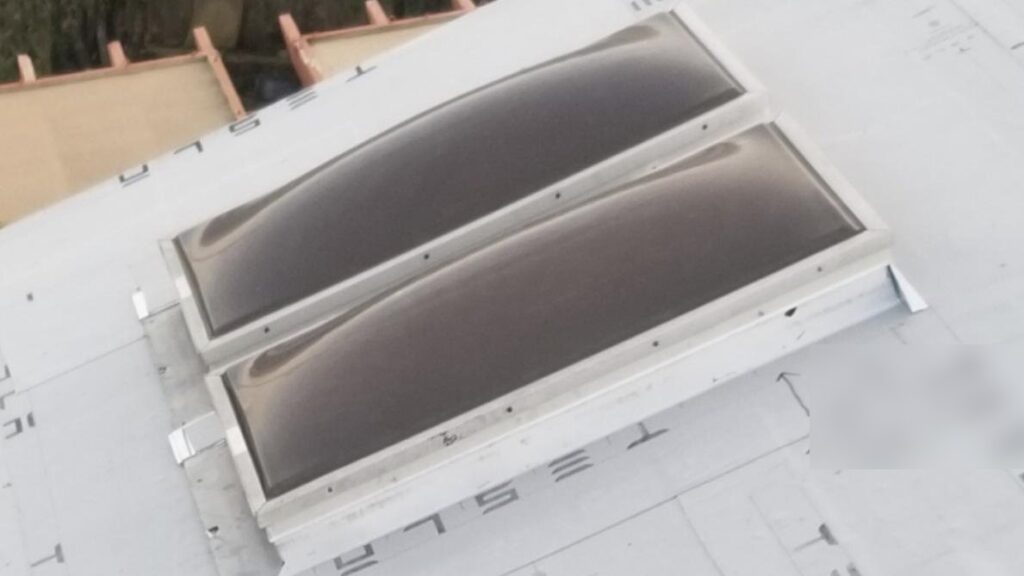
Something homeowners should know: the lens (the dome or glass on top) can leak too, even with brand-new flashing around it. If your skylight is old, ask whether the lens should be replaced at the same time. If you keep the old lens, a leak through it isn’t a flashing problem.
5. Valleys
A valley is the inside corner where two roof slopes meet. It carries more water than any other part of the roof.
Many roofers put ice and water barrier alone in the valley. The problem: old nails and tin caps from the last roof are often left in the deck. Over time they push up through the barrier and the shingles, and water leaks through those holes into the attic.
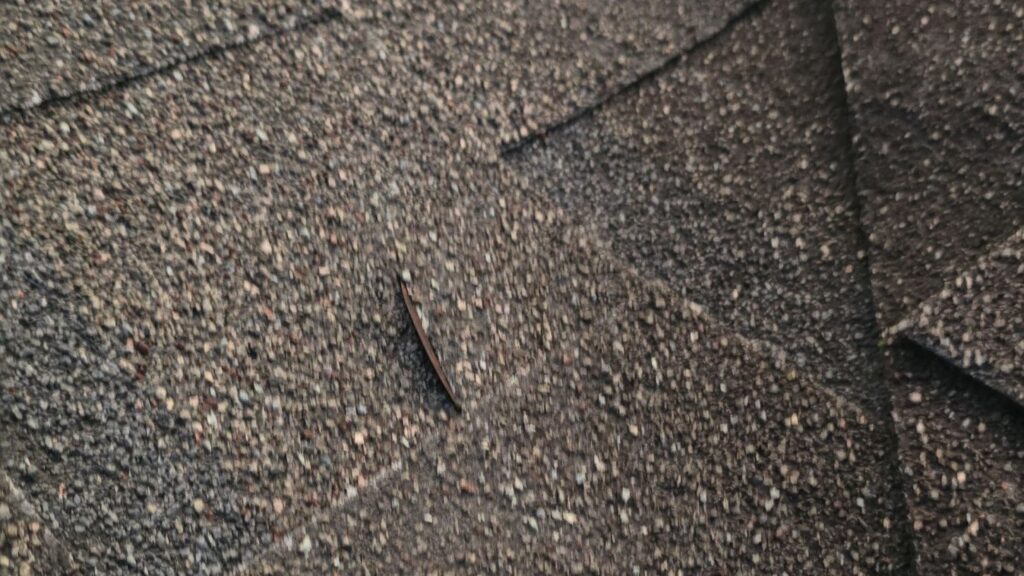
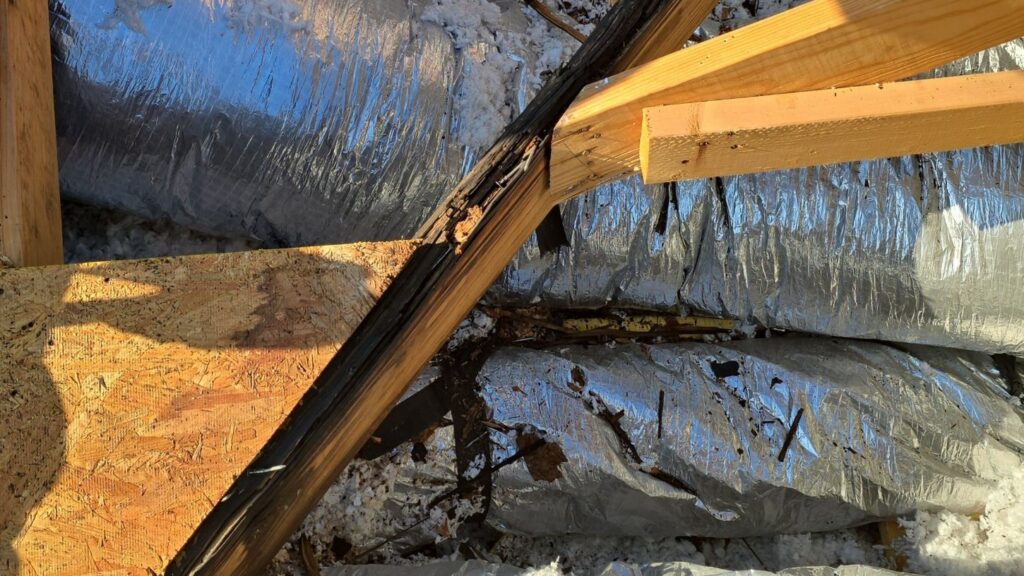
How Caden Roofing installs valleys: a closed-cut (California-style) valley over ice and water barrier with rolled valley metal on top. The metal stops anything left in the deck from punching through. In wildfire (WUI) zones, we use high-temperature ice and water barrier under the metal.
6. Attic and Exhaust Vents
Attic vents leak when they aren’t sealed properly or are nailed incorrectly, and where plastic box vents warp in the sun.
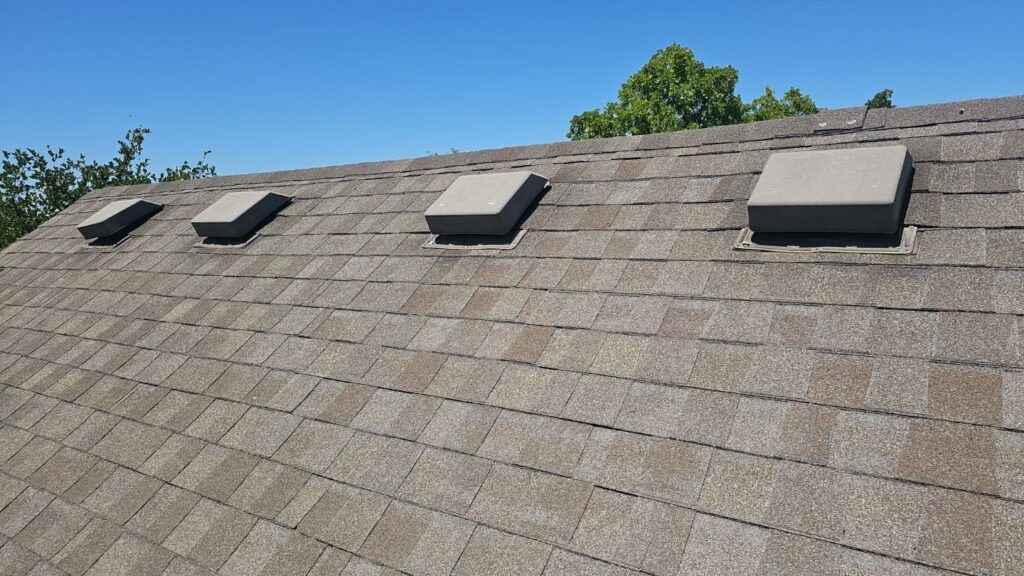
Exhaust stacks for the furnace or water heater have a storm collar that seals the top of the flashing. Two things go wrong: the collar is set too high, or an HVAC tech or plumber adjusts the stack and moves the collar without resealing it. That’s a roof leak caused by another trade’s work.
How Caden Roofing installs vents: a triple seal
- Ice and water barrier under the vent
- Roofing cement under the flange, with the vent set into it
- Roofing cement over the top
No nails in the exposed base. Where a fastener can’t be avoided, we use screws with rubber washers.
What a Flashing Leak Looks Like Inside
Flashing leaks are slow. By the time a stain shows on the ceiling, water has often been getting in for months.
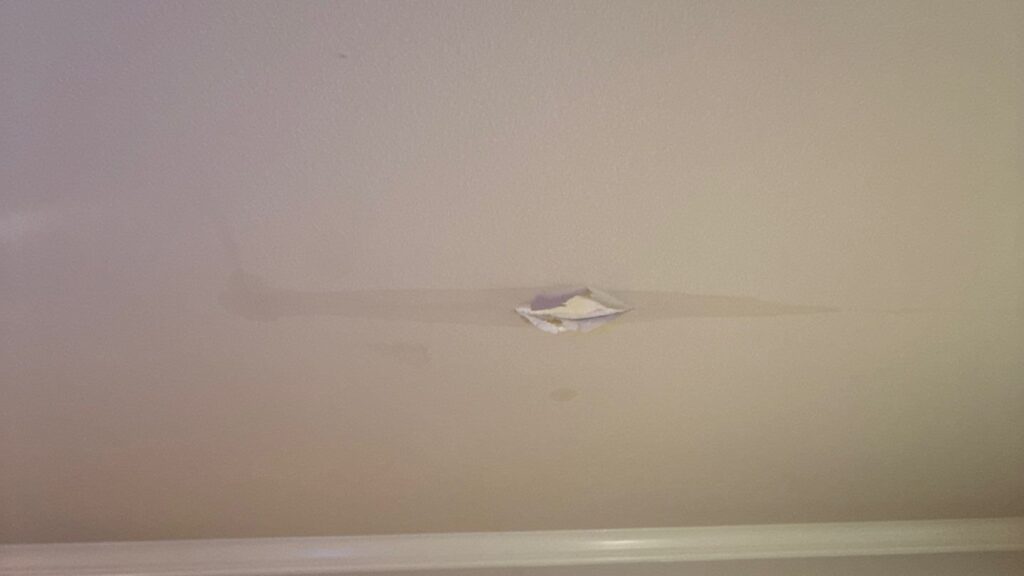
Check these spots inside:
- Ceilings below chimneys, skylights and pipe flashings
- Ceilings and walls under a second story or dormer
- Inside corners of ceilings (under a valley)
- The attic decking around every vent and pipe, after a hard rain
Why Flashing Isn’t Covered by the Shingle Warranty
GAF’s technical bulletin on flashing says it plainly: flashings are not covered under the manufacturer’s limited material warranty. The shingles are covered against defects; the metal and rubber around them are not.
That makes your roofer’s workmanship warranty the only coverage you have for flashing that was installed wrong.
What the Caden Roofing workmanship warranty covers: flashing leaks caused by installation errors.
What it doesn’t cover: leaks from lack of homeowner maintenance (for example, leaves left to pile up behind a chimney), storm damage, or animal damage.
4 Questions to Ask Your Roofer About Flashing
| Ask | A good answer | A red flag |
|---|---|---|
| Will you replace the flashing or reuse the old metal? | New step, counter and valley flashing; old metal reused only if it’s in good shape and you say so | “The old flashing’s fine” without looking |
| What goes under the flashing at walls, chimneys and valleys? | Ice and water barrier, and valley metal in the valleys | Felt only, or no answer |
| What pipe flashings do you use? | Lead or a premium UV-stable flashing | The cheapest plastic flashing, nailed through the bottom |
| Does your warranty cover flashing leaks? | Yes, for installation errors, in writing | “The manufacturer covers that” (GAF’s warranty doesn’t) |
Frequently Asked Questions
Are roof leaks usually the shingles or the flashing?
Usually the flashing. An industry estimate puts nearly 90% of roof leaks at flashings and penetrations: pipe flashings, walls, chimneys, skylights, valleys and vents.
Can you just caulk a leaking flashing?
Caulk and tar buy time, not a fix. They crack within a few Texas summers. A real repair replaces or reseats the flashing with ice and water barrier underneath.
Does a new roof come with new flashing?
Not always. Some roofers reuse old flashing to save time. Ask before you sign, and get it in writing.
How long do pipe flashings last?
Rubber collars on plastic and galvanized flashings crack from UV long before the shingles wear out. Lead flashings don’t break down in the sun.
Do I need a cricket behind my chimney?
If your chimney is wider than 30 inches across the slope, the International Residential Code requires one. Narrower chimneys benefit from one too.
Is a flashing leak covered by my homeowners insurance?
Usually not if it’s from wear or poor installation. Storm damage to flashing can be covered. See Should I File an Insurance Claim for Hail Damage on My Roof?
Seeing a Stain on Your Ceiling?
Caden Roofing will inspect every flashing on your roof and show you photos of what we find. Call (512) 364-0278 or schedule a free roof inspection.
Related Reading
- Roof repair in Shady Hollow West: a dormer leak caused by underlayment over the wall flashing
- Southland Oaks hail roof replacement
- FORTIFIED roofs in Austin
- My Insurance Company Is Dropping Me Because of My Roof
Sources
- GAF Technical Bulletin TAB-R-121, “Proper Flashing”
- Roofing Contractor, “Technical Details: Elements of Proper Flashing Applications” (Oct. 1, 2009)
- Pro Builder, “The Ins, Outs, and Arounds of Proper Crickets and Saddles” (IRC R903.2.2)
This page is general information. Every roof is different. Have a qualified roofer inspect yours.